POS System with CRM: Tips to Choose the Ideal Point of Sales System for Your Enterprise Brilliant POS
POS System for Coffee Shop: Our Dining Establishment Sales Software Application Enhances Order Processing And Payment Management Effectively
System Parts and Features
What truly makes a Dining establishment Point Of Sales System tick? It's not just a fancy sales register; it's a symphony of interconnected parts working harmoniously. Picture a busy Friday night: orders flying in, kitchens buzzing, servers handling trays. Amidst this mayhem, the POS system quietly manages the circulation, guaranteeing accuracy, speed, and efficiency.
Core Parts of a Restaurant POS System
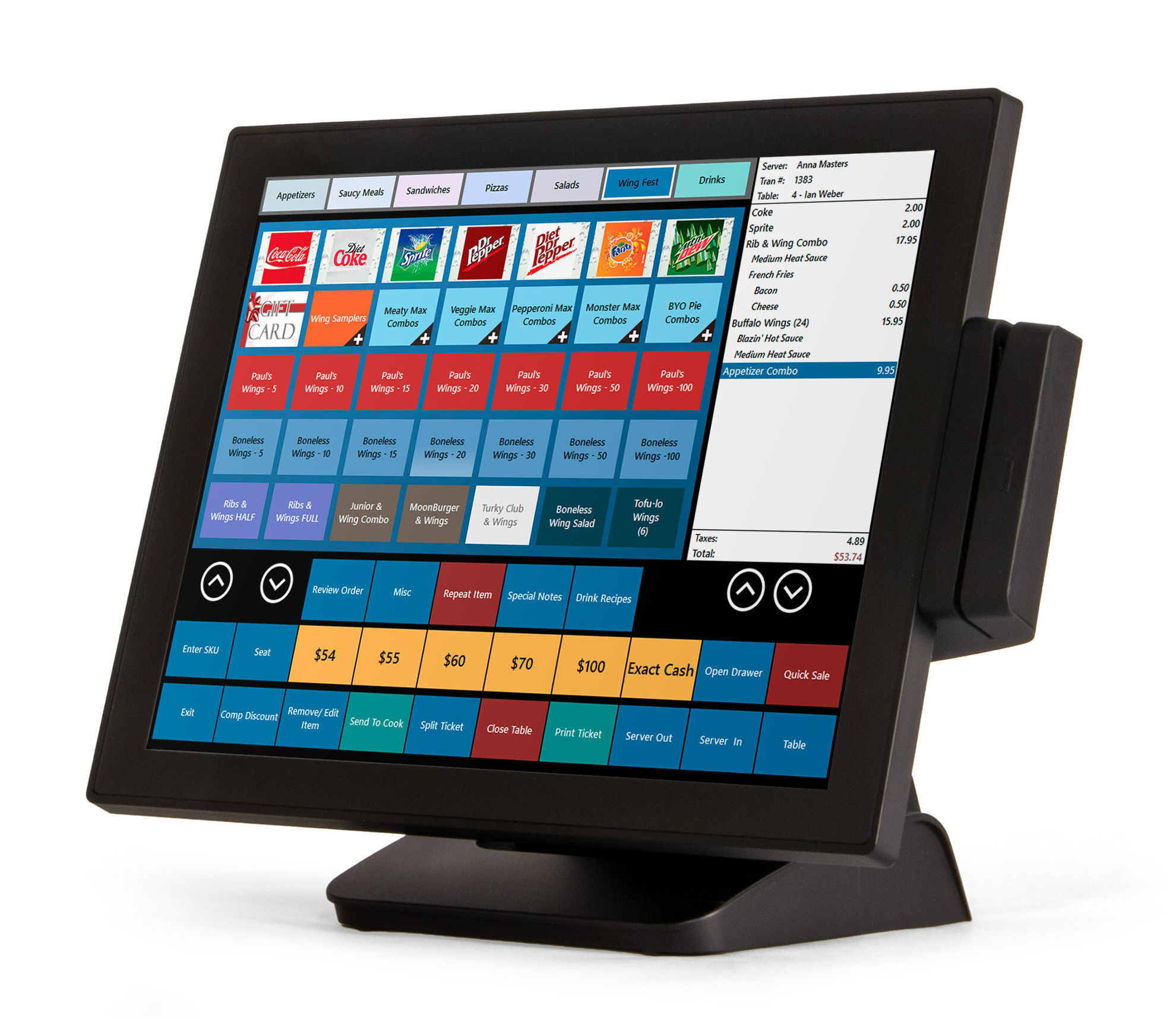
- Touchscreen User interface: The switchboard of every transaction. It's created for speed and simpleness, often looking like an instinctive tablet that even a first-timer can navigate.
- Order Management Software Application: This element manages the basics of order processing-- from taking tailored consumer demands to routing orders straight to the kitchen area display screen.
- Receipt Printer: It's the unsung hero printing out expenses and cooking area orders with lightning speed.
- Money Drawer: Though less glamorous, it's vital for secure money handling.
- Payment Processing Terminal: Enables fast swipes, taps, or inserts for credit and debit cards, leaving no space for traffic jams.
Functions That Change Regular into Amazing
Have you ever discovered how a well-oiled POS system can feel like a secret weapon? Beyond handling payments, these systems pack a punch with features that redefine restaurant management.
- Real-Time Stock Tracking: Keeping tabs on components can be a problem without this function. It updates stock levels immediately, preventing those feared "out of stock" moments.
- Adjustable Menu Management: Modification costs, add specials, or toggle schedule with a few taps-- perfect for the impulsive chef or seasonal offerings.
- Worker Management: Clock-ins, shift scheduling, and efficiency metrics-- all accessible through the very same gadget that processes your orders.
- Analytics and Reporting: Ever wondered which dish flies off the shelves and which remains? Detailed reports offer insights, empowering smarter decisions.
- Customer Relationship Management (CRM): Commitment programs and customized promos keep customers returning like old buddies.
Why Do These Functions Matter?
Consider the last time you waited permanently for your order or got the incorrect dish. A Restaurant POS System with precise order tracking and integrated interaction between front and back of home can erase those aggravations. It resembles having an invisible conductor making sure every element performs in ideal harmony.
| Component | Function | Effect |
|---|---|---|
| Touchscreen User interface | Order entry and navigation | Speeds up service, minimizes errors |
| Inventory Tracking | Screens stock levels in real-time | Prevents shortages, lowers waste |
| Payment Terminal | Deals with various payment methods | Enhances transaction speed, customer complete satisfaction |
| Worker Management | Streamlines scheduling and payroll | Improves staff performance and morale |
Streamlining Order Management in a Restaurant POS System
Think of a bustling Friday night where the cooking area is a whirlwind of sizzling pans and yelled orders. Without a robust order management system integrated into your dining establishment POS, turmoil quickly ensues. The speed at which orders are taken, processed, and communicated to the kitchen area can make or break the entire dining experience.
Why Accuracy in Order Processing Matters
One missed modifier or postponed ticket can ripple through the service, turning what need to be a basic transaction into a tangled mess. Have you ever wondered how some dining establishments seem to orchestrate a perfect dance in between the front and back of home?
It's no mishap. The secret lies within a POS that not just catches orders but intelligently routes them. Modern systems parse each item-- whether it's a gluten-free request or a last-minute substitution-- guaranteeing every subtlety is maintained.
Advanced Tips for Learning Order Circulation
- Real-time syncing: Every update from the server's portable gadget quickly assesses kitchen screens, getting rid of double entries and miscommunication.
- Customizable routing: Direct orders to particular prep stations based upon menu areas or preparation time, decreasing wait times.
- Order prioritization: Flag high-priority orders, such as allergies or VIP demands, so they leapfrog the basic line.
- Split and merge capabilities: Seamlessly handle group dining situations where orders need to be divided throughout several bills without confusion.
Table: Common Order Management Characteristics and Their Impact
| Function | Benefit | Effect on Service |
|---|---|---|
| Automated Order Tickets | Minimizes manual mistakes | Faster cooking area response times |
| Modifier Tracking | Guarantees precision for unique requests | Improves customer satisfaction |
| Order Status Updates | Interacts development to servers | Much better table management and less complaints |
Expert Insight: Avoiding Typical Pitfalls
Lots of restaurateurs get tripped up by the impression that order management is just about taking orders much faster. It's not. The real art depends on processing those orders with surgical accuracy. Guaranteeing the system can deal with peak volumes without lag is important. On one celebration, a high-volume weekend exposed a POS system's sluggish action, causing hold-ups that cascaded into dissatisfied restaurants and stressed staff.
To evade this, purchase a POS that balances speed with reliability, and never underestimate the value of instinctive interfaces that decrease training time and human error. After all, the goal is a smooth flow where innovation enhances the human touch, not complicates it.
Payment Integration: The Heart Beat of Seamless Transactions
Imagine a dynamic dining establishment on a Friday night. Orders flood in, and the last thing you want is the payment system to hiccup. Integrating numerous payment approaches-- charge card, mobile wallets, and even emerging copyright alternatives-- straight into your dining establishment point of sales system isn't simply a high-end; it's a need. But how do you guarantee that the system remains fluid, lightning-fast, and error-free when managing so numerous payment entrances?
One expert tip: focus on API compatibility. The smoother your POS syncs with payment processors, the less most likely you are to come across lag or transaction failures that frustrate both personnel and restaurants. Likewise, think about tokenization to mask card information instantly-- it resembles offering your clients' payment information a cloak of invisibility throughout transmission.
Security: More Than Just a Lock on the Door
Security in payment processing is akin to the hidden but important kitchen brigade that keeps whatever running without a drawback. It's insufficient to just encrypt data; modern-day POS systems must adhere to PCI DSS standards to really protect sensitive details. Have you ever considered why dining establishments that stint this end typically deal with hefty fines and reputation hits?
Encryption guarantees that even if hackers intercept the information, they just get gibberish. Layering multi-factor authentication (MFA) into the payment flow adds an additional fortress. Believe of MFA as a bouncer who asks for more than just an ID at the door.
Professional Tips for Bulletproof Payment Security
- Utilize end-to-end file encryption from the minute the card is swiped or tapped till the deal settles.
- Frequently update software application-- vulnerabilities often sneak in through dated systems.
- Segment your network so that payment information travels separated from other less secure parts of your POS.
- Conduct penetration testing to imitate cyber-attacks and determine weak spots before the bad guys do.
- Train personnel on social engineering risks; the most secure system can be jeopardized by human mistake.
Table: Payment Integration Includes vs Security Measures
| Feature | Benefit | Security Factor to consider |
|---|---|---|
| Contactless Payments | Accelerate checkout, lowers physical contact | Requires NFC file encryption and scams detection algorithms |
| Mobile Wallets | Enhances customer convenience and loyalty | Must adhere to tokenization and safe API calls |
| Integrated Present Cards | Enhances repeat service and marketing | Needs safe and secure balance tracking and fraud avoidance |
| Online Ordering Payments | Expands profits streams beyond the dining establishment | Needs SSL encryption and safe payment gateways |
In the end, marrying payment combination with robust security procedures is not a one-time event but POS Solution for Retail an evolving dance. The minute you believe you're protected, brand-new vulnerabilities might arise. Staying alert means securing your consumers' trust and your dining establishment's hard-earned credibility.
Inventory and Staff Management
Ever found yourself staring at a spreadsheet, wondering why the stock numbers do not build up right before the supper rush? That moment when the cooking area runs short on key ingredients is more than just a hiccup-- it's a ripple that can unsettle the entire service circulation. Dining Establishment Point Of Sales System enhances this mayhem by syncing real-time sales information with stock counts. This means you will not simply think how much chicken breast you have actually left; you'll understand precisely how numerous parts are available to fulfill tonight's orders.
Handling staff scheduling often feels like managing knives-- a lot of variables and only a thin margin for mistake. However what if your POS system could predict peak hours and recommend enhanced shift patterns? This isn't science fiction. Advanced algorithms evaluate historic sales information, seasonal patterns, and even regional occasions, providing a crystal ball for labor preparation. Imagine reducing both overstaffing throughout slow hours and frenzied rushing when the dining establishment floods with guests.
Specialist Tips for Optimum Inventory and Staffing
- Usage automated alerts for low stock to avoid last-minute ingredient shortages.
- Utilize sales velocity reports to identify fast-moving products and change orders appropriately.
- Integrate personnel clock-in/out data with payroll to reduce discrepancies and simplify wage estimations.
- Set up breaks tactically based on predicted consumer flow to preserve smooth service.
- Implement role-based consents in your POS to track who handles what inventory tasks.
Translating the "Invisible" Labor Costs
Personnel management isn't just about who's on the flooring; it has to do with understanding the covert costs of ineffective shifts. A server overwhelmed by too lots of tables can slow down order entry, increasing wait times and reducing pointers. Empty personnel throughout quiet periods drain your budget plan without generating revenue. An advanced POS system highlights these inefficiencies through detailed labor reports, shining a light on when and where modifications are required.
| Metric | Insight | Action |
|---|---|---|
| Inventory Turnover Rate | How quickly components are utilized | Change order frequency to decrease waste |
| Labor Expense Percentage | Labor expense relative to sales | Optimize personnel schedules to enhance margins |
| Order Precision Rate | Number of right vs incorrect orders | Supply targeted training or modify workflows |
Have you thought about how incorporating inventory with personnel management could change your daily operations? When these two pillars work in consistency, the outcome is a well-oiled machine delivering constant quality and service. The secret lies not just in tracking numbers but in translating them to make smarter, much faster decisions.